Blog By: Madelyn SheltonCalifornia is facing a dual crisis: wildfires in the state are intensifying and becoming more frequent, while insurers are pulling coverage from high-risk areas, leaving homeowners exposed to dangerous conditions without affordable coverage. This forces California residents to face a difficult choice, turn to extremely costly insurance alternatives, or go uninsured. As
Latest from The Kentucky Journal of Equine, Agriculture, & Natural Resources Law
Examining Kentucky's Protections for Pollinators
Blog By: Dylan DiedrichPollinators, such as bees and butterflies, are an essential part of agriculture in the United States, with fifteen to thirty percent of crops eaten in the U.S. being pollinated by bees alone.[i] Bees are responsible for an industry worth billions of dollars.[ii] Kentucky has many programs in place to inform
Natural Rights: Far-fetched or Plausible in the United States?
Blog By: Ben RobinsonMost can agree that the destruction of nature is not necessarily a good thing. In recent years, several countries have recognized nature as having natural rights, or rights attributed to natural entities.[i] Threats to nature have pushed South American countries such as Ecuador and Bolivia to protect their natural fixtures, recognizing
The Death of Chevron Deference: The Environmental Protection Agency’s Response to the End of Forty Years of Precedence
Blog By: Phillip Burress Hidden amongst the many influential (and somewhat controversial) decisions made by the Supreme Court over the summer of 2024 was an administrative law decision that has likely flown under the radar for anyone outside of the legal profession. The U.S. Supreme Court’s decision in Loper Bright Enterprises v. Raimondo overturned four decades
Horses or Housing? Lexington’s Fight to Save the Horse Industry and House its Low-Income Community
Blog By: Bailey TruittKentucky has a long and nuanced history with horseracing–one of its most impactful heritage industries. The equine industry is so integral in Kentucky that Lexington, one of the state’s largest cities, is deemed the “Horse Capital of the World.”[i] Some of the best racehorses in the world were bred in Lexington,
Big Data Implications Within Agriculture: Leveraging Intellectual Property Protections for Data Security
Blog By: Lydia DeatonAs technology advances in agriculture, farmers have more access to data and information to improve their processes. From satellite imaging to real-time analytics on crop growth, today, many agricultural operations depend on streams of data to produce efficiently and effectively.[i] With this digital dependence comes a serious risk: data security.[ii]
Muddying the Waters: Dredging Mobile Bay Highlights Tensions Between Environmental and Economic Priorities
Blog By: Erica Joan RadermacherWhen picturing a map of the continental United States, it is easy to miss the narrow horseshoe-shaped bay situated just west of the Florida panhandle. This geographical feature, formally known as “Mobile Bay,” is of critical importance to Alabama, the greater Southeast, and beyond, due in tandem to the natural ecosystems
The Sun is Setting on Kentucky’s Barrel Tax—But Kentucky Farmers Will Still See the Daylight
Blog By: Ben BertramOver $350 million of tax revenue for Kentucky is generated annually from the production and consumption of distilled spirits.[i] It should come as no surprise that bourbon is a large component of this.[ii] But like all taxes, the benefits afforded to the public in the form of public services are
Oh SNAP! Another Farm Bill Extension Leaves Families and Farmers Uncertain
Blog By: Sarah Shepherd On September 30, 2024, the farm bill expired after months of prolonged silence from Congress, leaving farmers uncertain and Americans prone to suffer the consequences of their representatives’ failure to act.[i] Instead of tackling the problem and writing a new, proactive farm bill, Congress once again passed an extension of the
Way Down Yonder on the Chattahoochee: Nonprofit Sues the City of Atlanta for Violation of the Clean Water Act
Blog By: Camille Grout
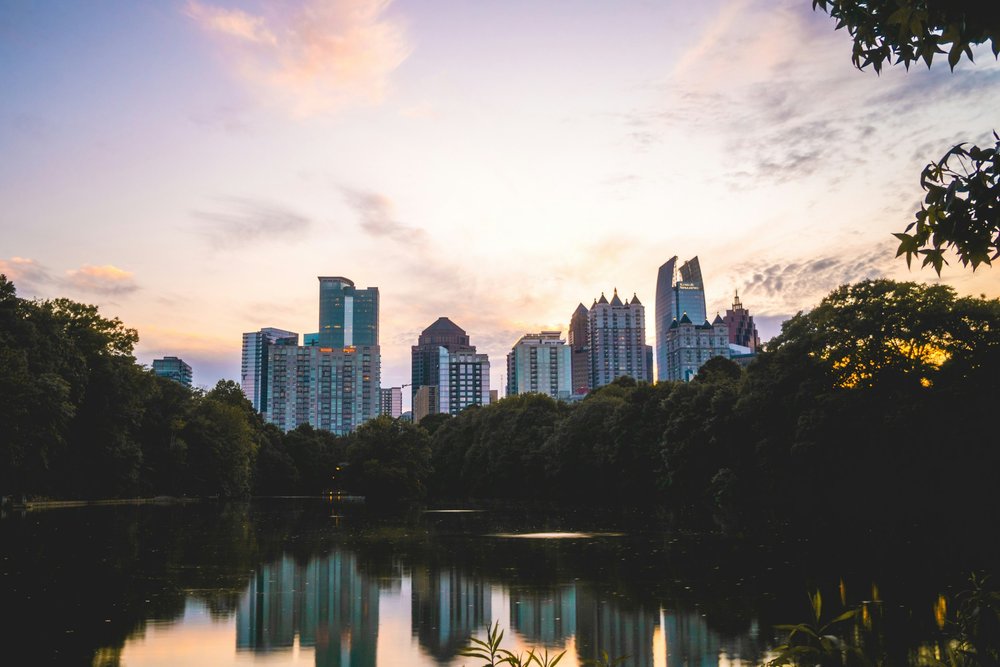
On September 6, 2024, The Chattahoochee Riverkeeper filed a federal lawsuit against the City of Atlanta for its alleged pollution of the Chattahoochee River.[1] The city’s largest wastewater treatment plant, R.M. Clayton, has allegedly been violating its permit and the Clean Water Act by discharging pollutants into the river